My Best Friend in Tokyo: A Beginner’s Guide to Seeing a City on Film
When I shoot with my Canon AE-1, I am always chasing light and structure. Both Fire Island and Palm Springs have a strong sense of

When I shoot with my Canon AE-1, I am always chasing light and structure. Both Fire Island and Palm Springs have a strong sense of design, but in completely different ways.
In November 2025, my best friend took her first trip to Tokyo, I could not be there with her. Instead of packing my own bags, I packed something else. I sent my favorite film camera and a stack of fresh Kodak rolls in my place. The Canon AE 1 Program has seen some of my favorite places and holds years of memories. Sending it felt like the closest thing to traveling alongside her.
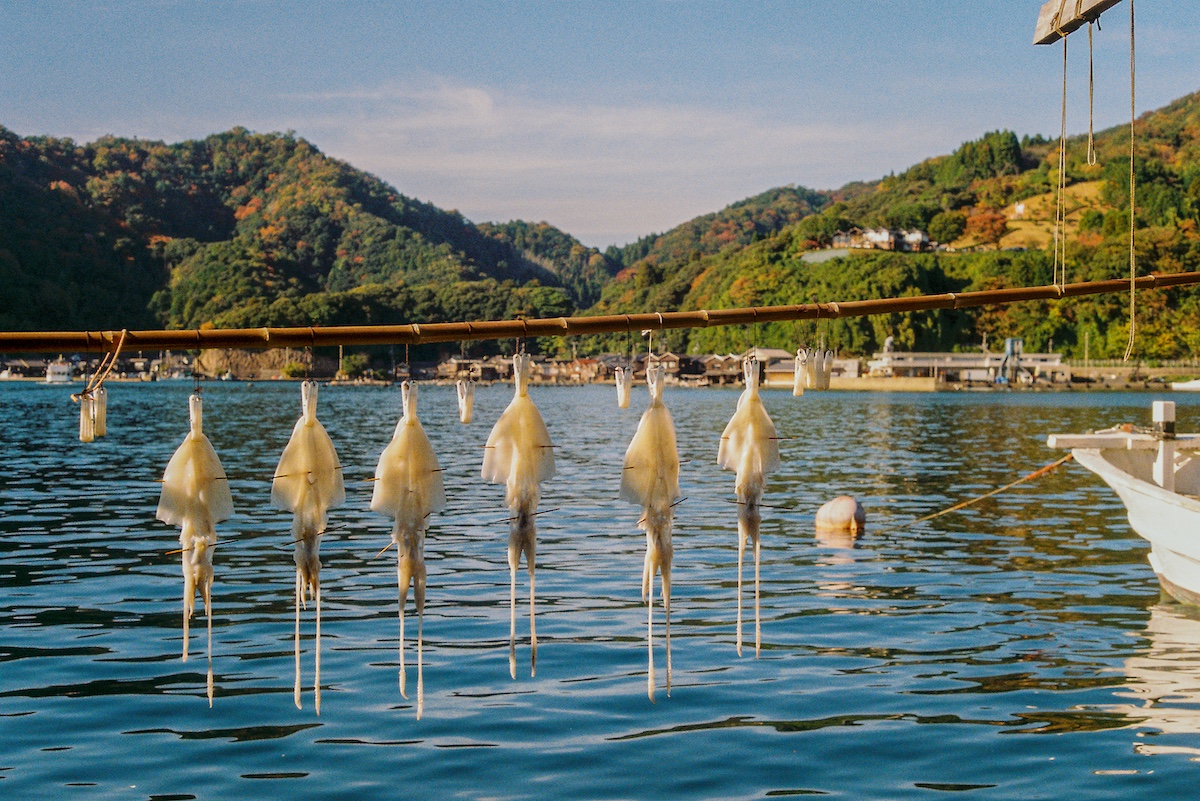
This post is part personal journal and part guide for anyone curious about shooting film for the first time. What you are seeing here is her very first roll of film, and the way she documented Tokyo instinctively, honestly, and without overthinking it.
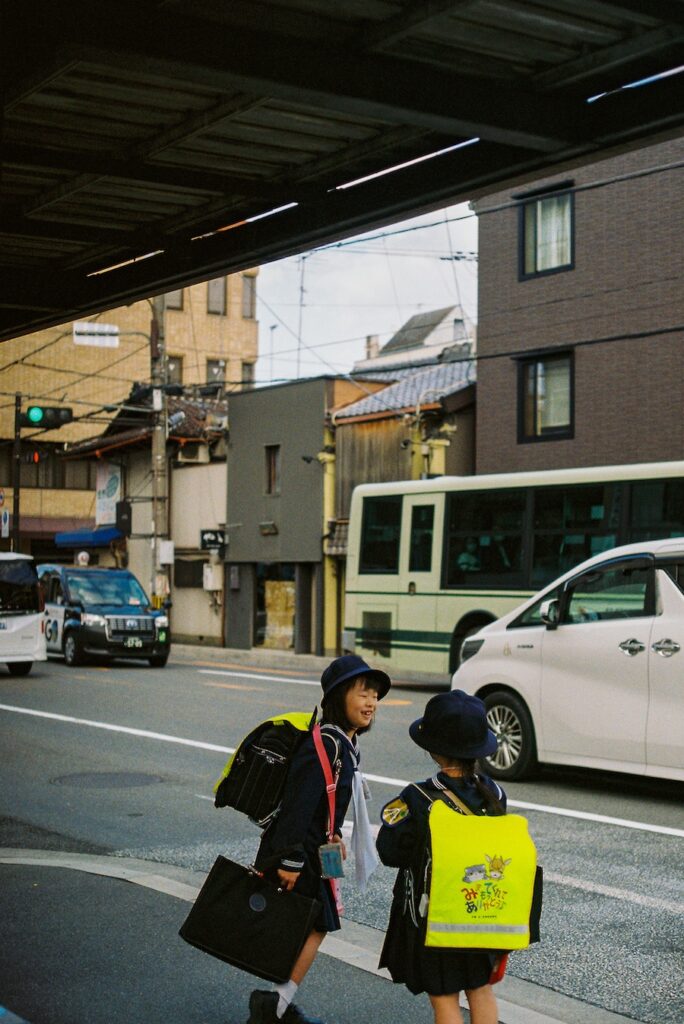
Film teaches presence. You slow down. You choose moments carefully. I wanted her to experience Tokyo one frame at a time, without screens or constant reviewing. Film creates trust between the photographer and the moment. That is something beginners often discover naturally, before rules or habits set in.
Along with the camera, I included a handwritten note and a few carefully chosen film stocks meant for the light, color, and rhythm of Japan in autumn.
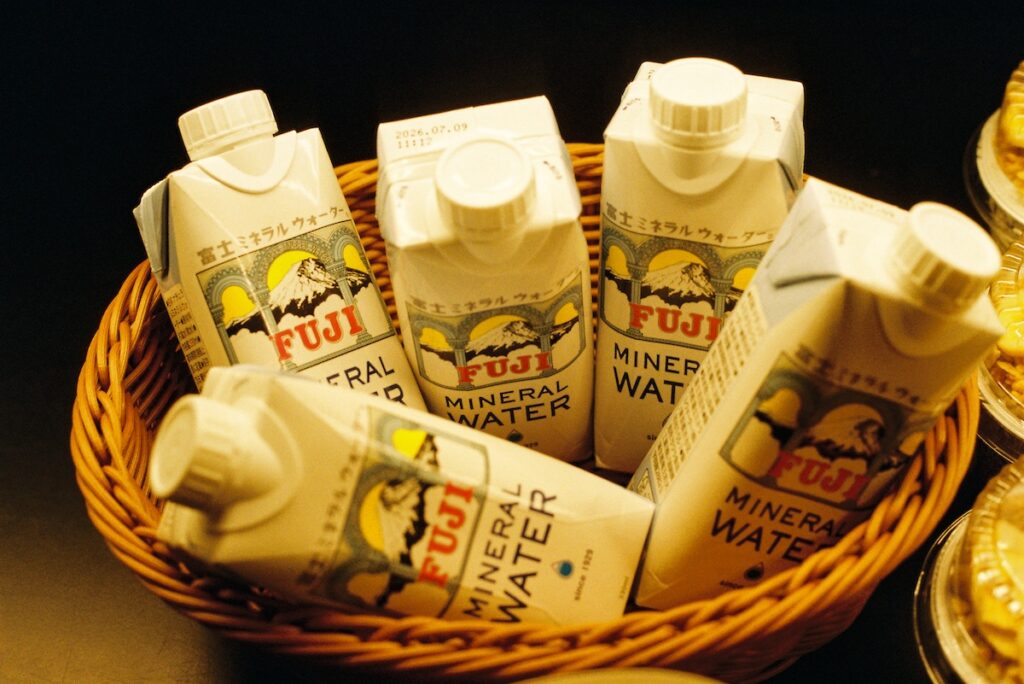
Kodak Gold 200
This is my favorite daylight film. Warm, reliable, and made for sunlight. I told her to use it for crisp fall mornings, parks filled with red and gold leaves, and bright street scenes.
Kodacolor 100
Soft and subtle. This film is best for slower moments like quiet paths, tea houses, or misty mornings. It captures color gently and leans pastel.
Kodacolor 200
A great all around film. It handles cloudy afternoons, dusk, and indoor light well. Natural tones and flexible in changing conditions.
Portra 800
This roll is made for Tokyo at night. Neon signs, reflections in rain puddles, late night streets, and glowing storefronts.
Set the ISO dial on the camera to match the film you are using. Gold 200 to 200. Portra 800 to 800.
Keep the camera on auto and stay steady. For night shots, especially with Portra 800, it helps to rest the camera on a ledge or surface and gently press the shutter.
When you finish a roll, press the rewind button on the bottom of the camera first, rewind the film fully, then open the back.
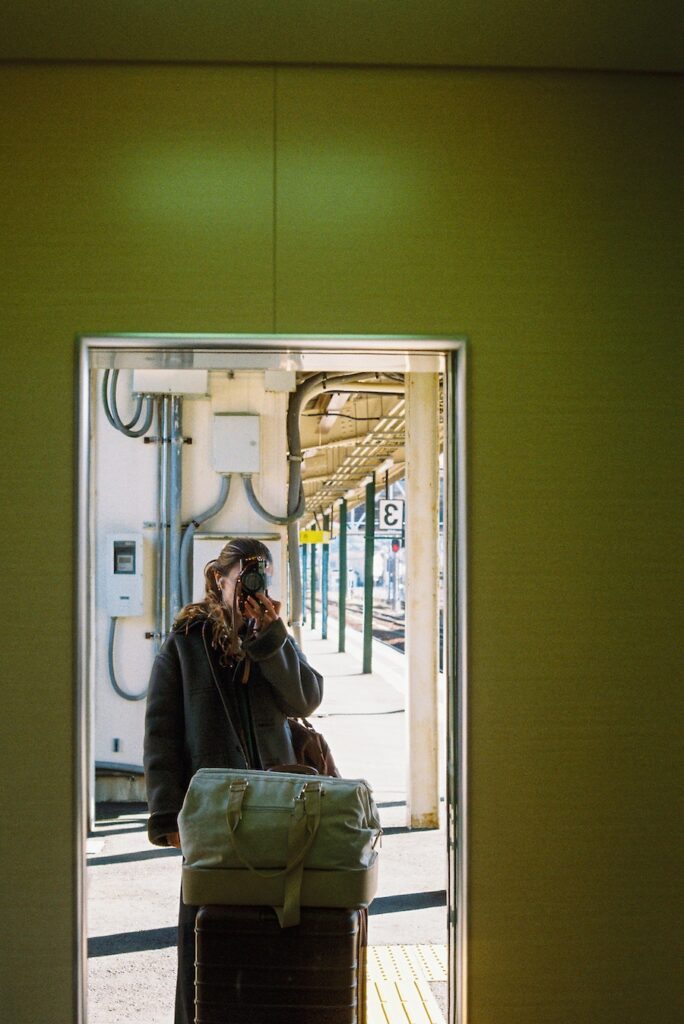
This camera was my first film camera. Sending it felt like sending a part of myself. I told her to think of it as an extension of her own curiosity and to use it to appreciate a single moment each time she pressed the shutter.
The photos you see here were shot by Bri and edited by me. They are proof that you do not need experience to see a place beautifully. You just need time, attention, and a little trust in the process.
When I shoot with my Canon AE-1, I am always chasing light and structure. Both Fire Island and Palm Springs have a strong sense of
When I shoot with my Canon AE-1, I am always chasing light and structure. Both Fire Island and Palm Springs have a strong sense of design, but in completely different ways.
When I shoot with my Canon AE-1, I am always chasing light and structure. Both Fire Island and Palm Springs have a strong sense of design, but in completely different ways.