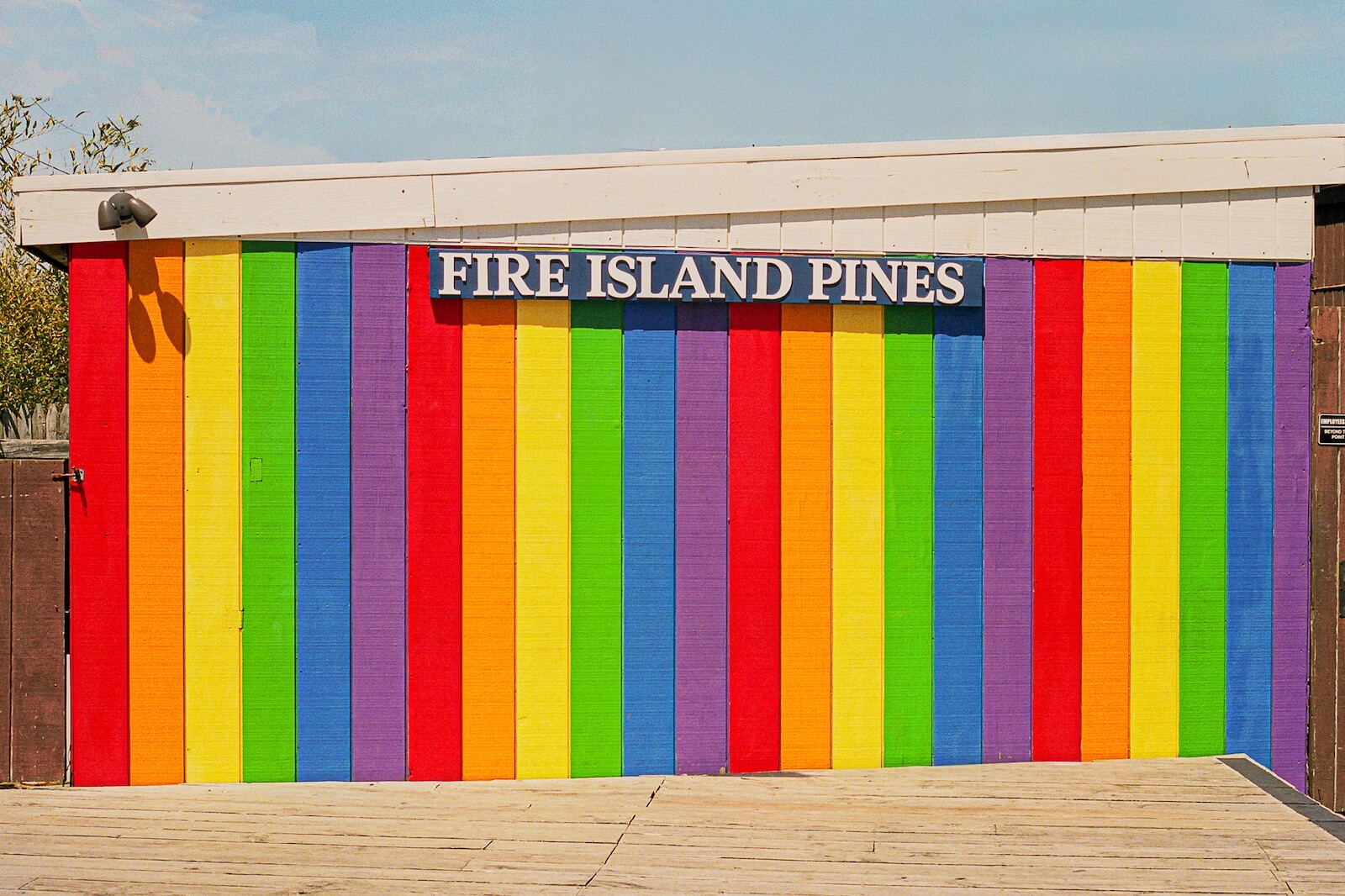
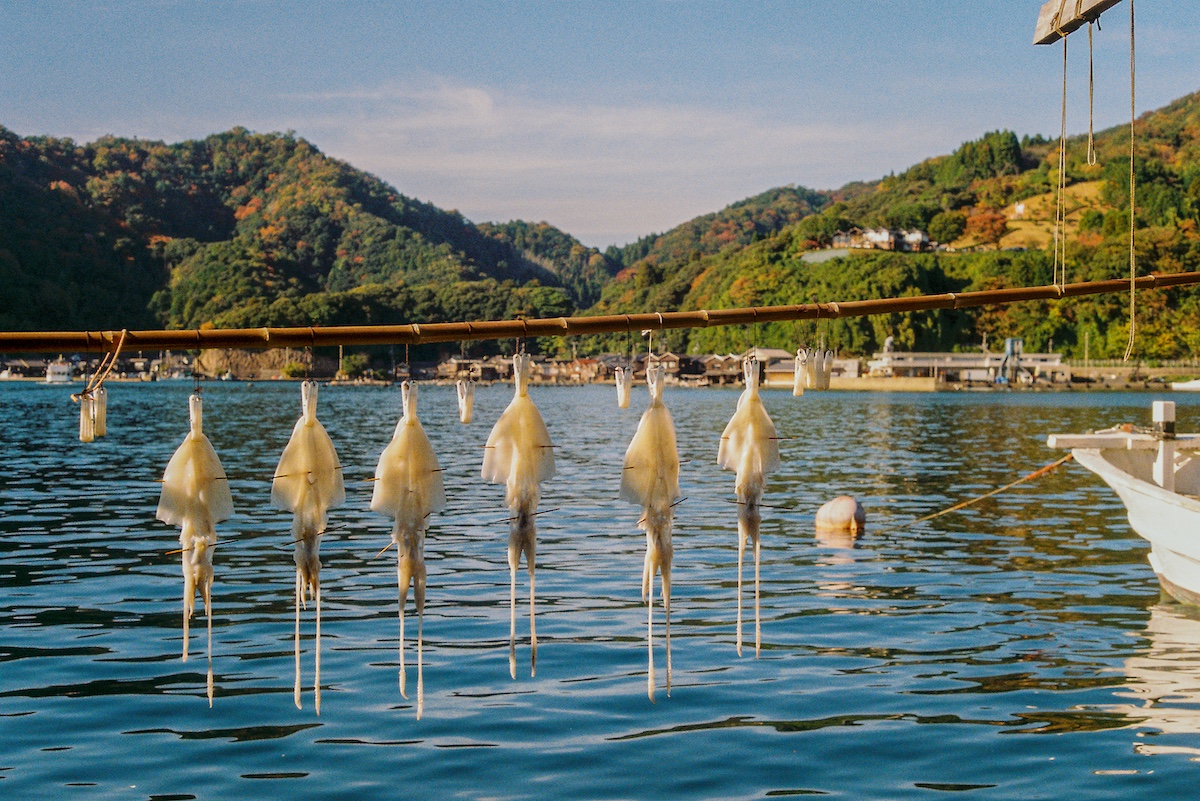
When I shoot with my Canon AE-1, I am always chasing light and structure. Both Fire Island and Palm Springs have a strong sense of design, but in completely different ways.
Fire Island: Light in Motion
Fire Island is shaped by weather and time. Its houses lean slightly, boardwalks twist, and the sunlight filters through pine trees in streaks that fall across shingled walls. I use Kodak Gold 200 because it handles warm tones naturally and keeps the wood and sand textures true to what I see.
When I photograph there, I look for lines that feel unplanned—hand-built decks, old railings, reflections on water, and the quiet geometry that forms between structures and sky. The light constantly shifts, and that unpredictability gives every frame a sense of movement.
Palm Springs: Light in Design
Palm Springs feels entirely different. Every detail seems deliberate. The geometry of the architecture guides how I compose each frame—flat roofs, sharp shadows, and pastel facades that look built for film.
The same Kodak Gold 200 that feels nostalgic in Fire Island becomes crisp and defined here. It picks up the desert light in a way that separates color from shadow. I often wait for the sun to hit a wall or window just right, creating a clean division between tones.
Finding the Connection
What connects both places for me is authenticity. I am not chasing perfection. I am looking for balance between natural light and human design. Whether it is a weathered bungalow near the dunes or a mid-century home surrounded by palms, I want the architecture to tell its own story.
Film slows that process down and lets the light lead the way. Every frame becomes a small collaboration between place, time, and patience.